
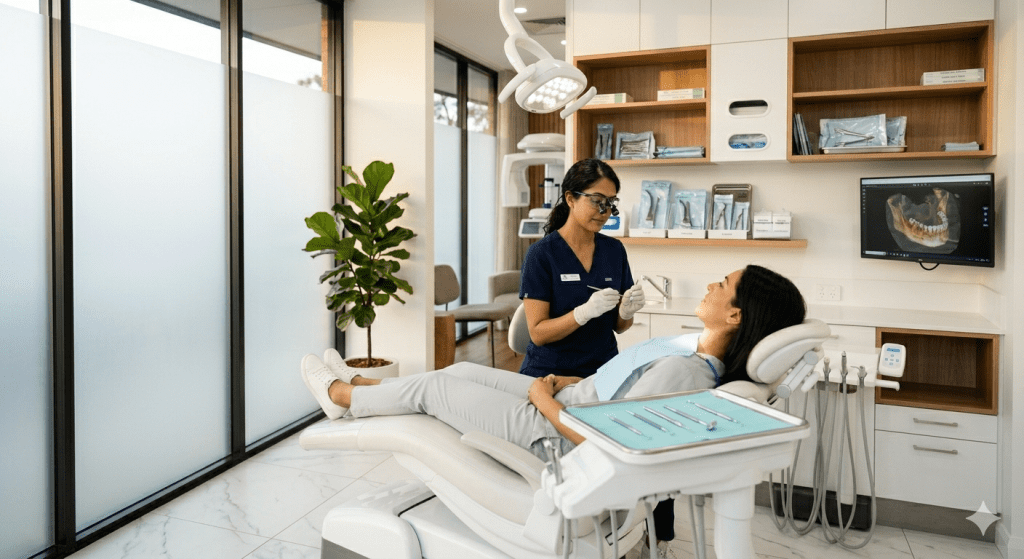
Emergency dental problems can happen unexpectedly, causing pain or discomfort that needs quick attention. In Louisville, KY, finding a reliable emergency dental care provider is crucial to managing these stressful situations calmly and effectively.
Emergency dental care in Louisville typically involves prompt treatment for issues like severe toothaches, broken teeth, or abscesses to relieve pain and prevent further damage. These providers understand how important immediate care is to maintain both oral health and peace of mind.
Many local dentists offer flexible hours and use modern treatments to make emergency visits as comfortable as possible. Knowing where to go and what to expect can help patients feel more prepared if a dental emergency arises.
Recognizing Dental Emergencies
Knowing the specific signs of a dental emergency helps people act quickly and avoid worsening problems. Understanding when to get immediate care versus waiting for a regular appointment can save teeth and reduce pain. Differentiating urgent from non-urgent issues ensures the right treatment at the right time.
Common Signs and Symptoms
Severe tooth pain that won’t subside, especially when it throbbs or radiates to the jaw, is often a sign of an emergency. Swelling around the face or gums can signal an infection that needs prompt attention.
Other symptoms include bleeding that won’t stop, a chipped or knocked-out tooth, and sudden sensitivity to hot or cold. Difficulty biting or opening the mouth fully may also indicate damage requiring urgent care. If any of these symptoms are present, it’s important not to delay treatment.
When to Seek Immediate Help
Immediate help is necessary if there is uncontrollable bleeding from the mouth, a tooth completely knocked out, or intense pain that limits normal activities. Trauma from accidents or falls that cause broken teeth or jaw injury must be addressed right away to prevent long-term damage.
If swelling is accompanied by fever or difficulty swallowing or breathing, it signals a severe infection needing urgent medical or dental intervention. Quick action can prevent complications and starts the healing process sooner.
Differences Between Urgent and Non-Urgent Issues
Urgent issues usually involve severe pain, visible damage, or risk of infection. Examples include broken teeth, knocked-out teeth, and abscesses causing swelling or fever.
Non-urgent concerns might be sensitivity to certain foods, minor chips without pain, or mild, intermittent tooth pain. These can be addressed during scheduled dental appointments without immediate risk.
Understanding these distinctions helps patients avoid unnecessary ER visits while ensuring serious problems get fast treatment.
What to Do in a Dental Crisis
In a dental emergency, quick and appropriate action can make a big difference. Knowing how to respond to pain, injury, or infection helps reduce discomfort and improves the chances of saving a damaged tooth or controlling infection.
Immediate Steps for Tooth Pain
Tooth pain can signal many issues, from cavities to infection. The first step is to rinse the mouth gently with warm water to clean the area.
If swelling is present, applying a cold compress to the outside cheek for 10-15 minutes can reduce pain and inflammation. Avoid placing aspirin or any medication directly on the gums as it can cause irritation.
Over-the-counter pain relief like ibuprofen can be taken following package directions. However, persistent or severe pain requires prompt dental evaluation to avoid worsening damage.
Handling Broken or Knocked-Out Teeth
If a tooth breaks, collect all the pieces and rinse them gently with water without scrubbing. For a knocked-out tooth, handle it by the crown (top part), not the root.
Try to place the tooth back into the socket if possible. If not, keep it moist by storing it in milk or a tooth preservation product. Avoid wrapping it in tissues or cloth.
Seek dental care immediately; prompt reimplantation increases the chance of saving the tooth. Meanwhile, control bleeding by biting down on clean gauze or a cloth.
Managing Swelling and Infections
Swelling from infection needs careful attention. Rinse with warm salt water several times a day to ease discomfort and help cleanse the area.
If swelling worsens, spreads to the face or neck, or is accompanied by fever, seek emergency dental care immediately. These signs may indicate a serious infection requiring antibiotics or advanced treatment.
Pain can be managed with over-the-counter medication, but avoiding hot foods and maintaining gentle oral hygiene are important. Never ignore developing infections because they can escalate quickly.
Modern Treatments for Emergency Situations
Emergency dental care in Louisville, KY uses advanced methods to quickly ease pain, restore damaged teeth, and manage infections. These treatments focus on comfort and fast results, helping patients feel better while protecting their long-term oral health.
Pain Relief Options
When severe dental pain strikes, immediate relief is crucial. Dentists often begin with local anesthesia to numb the affected area during treatment. For ongoing pain, they may recommend prescription-strength analgesics tailored to the patient’s needs.
In some cases, nitrous oxide (laughing gas) is used to reduce anxiety and discomfort, especially for patients who feel nervous. Over-the-counter anti-inflammatory medications like ibuprofen can also help reduce swelling and pain until professional care is available.
Dentists prioritize safe, effective pain control methods to improve patient comfort without relying solely on opioids.
Repairing Damaged Teeth
Cracked, chipped, or knocked-out teeth require prompt and precise care to prevent further problems. For minor chips, tooth-colored bonding is a quick way to restore appearance and function using a strong resin material.
More severe cracks might need a dental crown, which fully caps the damaged tooth to protect it from breaking apart. If a tooth is completely knocked out, emergency dentists will try to reimplant it within an hour, preserving natural enamel and roots.
Sometimes, root canal therapy is necessary if the damage affects the tooth’s nerve. These modern repairs focus on saving the tooth whenever possible.
Treating Abscesses and Infections
Dental abscesses cause serious pain and swelling due to bacterial infections. Emergency care begins with draining the abscess to relieve pressure and clear infection.
Next, dentists prescribe antibiotics to fight bacteria and prevent the infection from spreading. In some cases, a root canal is needed to remove infected tissue inside the tooth.
If the infection is severe and tooth-saving procedures aren’t possible, extraction may be recommended to protect overall health. Follow-up care includes monitoring healing and maintaining good oral hygiene to avoid recurrence.
What to Expect at an Emergency Dental Visit
When visiting an emergency dentist in Louisville, the process focuses on quickly identifying the problem, easing any pain, and creating a plan to restore dental health. The team works efficiently to ensure patients feel safe and understand their treatment steps.
Initial Examination and Diagnosis
The dentist begins by asking about the injury or pain history to understand the urgency. Next comes a thorough examination of the mouth, teeth, and gums. X-rays or other imaging may be used to uncover fractures, infections, or hidden damage.
This examination helps pinpoint the exact cause of pain or trauma. The dentist can then recommend appropriate treatment, whether it’s a repair, extraction, or referral to a specialist. Documentation of findings also sets the stage for insurance claims or follow-up care.
Comfort and Anxiety Management
Emergency dental visits can be stressful, so staff prioritize patient comfort from the start. Dentists often use local anesthesia to numb the affected area quickly. For patients with high anxiety, options like sedation dentistry or calming techniques are available.
Dental teams maintain a calm, supportive environment and explain each step clearly to reduce fear. The goal is to make patients feel heard and relaxed without unnecessary pain or pressure.
Follow-Up Care Plans
After stabilizing the emergency, the dentist outlines next steps for full recovery. This can include scheduling additional treatments such as root canals, crowns, or restorative work. Detailed instructions for at-home care, like managing swelling or avoiding certain foods, are provided.
Follow-up visits ensure healing progresses and prevent complications like infections. Clear communication about what to watch for at home empowers patients to take control of their dental health after the emergency.
Choosing an Emergency Dentist in Louisville
Finding the right emergency dentist in Louisville starts with knowing who offers prompt and reliable care. Patients should look for clinics that provide same-day appointments or 24/7 availability. This ensures immediate attention when tooth pain or injury strikes unexpectedly.
Comfort is key during emergency visits. A good emergency dentist will explain each step clearly and offer gentle treatment to help ease anxiety. Modern offices often use the latest technology, like digital X-rays and pain-free techniques, making the experience smoother.
Consider location and ease of access, too. Choosing a dentist close to home or work saves valuable time in urgent situations. Checking if the office accepts various insurance plans can also reduce stress when it comes to billing.
Here’s a simple checklist to help decide:
| Factor | What to Look For |
|---|---|
| Availability | 24/7 or after-hours appointments |
| Comfort and Care | Friendly staff, clear explanations |
| Technology | Up-to-date tools and painless options |
| Location | Convenient and easy to reach |
| Insurance | Acceptance of your insurance provider |
Encouraging preventive care is part of their role, too. A good emergency dentist will advise on how to avoid future dental crises through regular checkups.
If unsure where to start, call ahead to ask about emergency services. This simple step can save time and provide peace of mind.
Tips for Preventing Dental Emergencies
Preventing dental emergencies often comes down to daily care, mindful habits, and regular visits to the dentist. Simple steps can strengthen teeth and lower the risk of sudden pain or injury.
Everyday Habits That Protect Teeth
Brushing twice daily with fluoride toothpaste removes plaque and helps stop cavities. Flossing once a day clears debris where brushes can’t reach, reducing gum disease risk. Avoiding hard candies and ice can prevent tooth fractures.
Limiting sugary snacks and drinks helps maintain enamel strength. Drinking water after meals washes away food particles. Quitting habits like nail-biting or using teeth to open packages protects from chips and cracks.
By sticking to these habits, the chances of urgent dental problems drop significantly.
Using Protective Gear for Sports
Wearing a properly fitted mouthguard during contact sports is essential. It cushions blows to the face, reducing tooth fractures, chip fractures, and soft tissue injuries.
Custom-made mouthguards from a dentist offer better comfort and protection than store-bought options. For kids and adults playing basketball, football, hockey, or skateboarding, this gear is a must.
Helmets and face shields add extra defense but do not replace a good mouthguard. The right equipment can save from painful visits to emergency dental care.
Importance of Regular Checkups
Regular dental exams catch problems early, before they turn into emergencies. Dentists check for decay, cracks, gum issues, and other warning signs that may not cause pain yet.
Professional cleanings remove hardened plaque (tartar) that brushing can’t. Detecting and treating cavities or infections early prevents the need for urgent treatment later.
Most dentists recommend visits every six months. If someone is prone to dental issues, more frequent visits may be suggested to maintain oral health and avoid urgent problems.
Preparing for Unexpected Dental Needs
Dental emergencies can happen without warning, so being prepared is key. Having a plan in place reduces stress and ensures quick access to care when it’s needed most.
Patients should keep a dental first aid kit handy. It might include gauze, pain relievers, salt packets for rinsing, and a small container to hold a knocked-out tooth if necessary.
Knowing the location and contact details of a trusted emergency dentist in Louisville, KY helps save valuable time. Many dental offices offer after-hours services or guidance for urgent situations.
It’s also helpful to understand some basic steps to take during common emergencies:
- For a lost filling or crown, save the piece and rinse the area gently.
- If a tooth is knocked out, hold it by the crown, rinse off dirt, and place it back if possible or keep it in milk.
Regular dental visits and preventive care reduce the likelihood of sudden emergencies. But when they do happen, confidence in how to respond makes all the difference.
Encourage patients to call their dentist promptly if they experience pain, swelling, or trauma. Early care often prevents complications and can save natural teeth.
Next Steps for Your Dental Wellbeing
After an emergency dental visit in Louisville, KY, it’s important to follow up with consistent care to protect your smile. Scheduling a routine checkup within a few weeks ensures any damage is fully healed and helps catch new issues early.
Daily habits play a big role in dental health. Brushing twice a day with fluoride toothpaste and flossing regularly remove plaque and prevent cavities. Drinking plenty of water and avoiding sugary snacks also support stronger teeth.
If pain or sensitivity persists after emergency treatment, patients should contact their dentist promptly. Sometimes, additional procedures like root canals or crowns are needed to restore comfort and function.
Modern dental offices in Louisville offer flexible appointment times and use technology for painless, efficient care. Patients can expect friendly staff and a calming environment designed to ease any anxiety.
To help keep track of dental health, patients might try simple tools like reminder apps or a dental care journal. This makes it easier to maintain regular cleanings and follow professional advice over time.
Encouraging open communication with dental providers allows patients to ask questions and tailor treatments to their needs. Taking these next steps helps ensure long-term wellbeing and a confident, healthy smile.
Frequently Asked Questions
Emergency dental situations can be stressful, but knowing the right steps and available options can make a big difference. Understanding when to seek care, how to handle common injuries, and what to expect during treatment helps patients feel more prepared.
What should I do right away if I chip or break a tooth?
Rinse your mouth gently with warm water to clean the area. If there’s bleeding, apply gentle pressure with a clean cloth or gauze.
Save any broken pieces if possible and avoid chewing on the damaged side. Contact a dentist promptly to prevent further damage or infection.
Can I walk in for urgent dental care, or do I need an appointment first?
Most emergency dental offices in Louisville recommend calling ahead to secure an appointment. This ensures they can allocate time and resources for your urgent needs.
Some clinics offer limited walk-in hours, but calling first helps reduce wait times and guarantees faster care.
Where can I find a dentist who’s open late at night or on weekends?
Several Louisville dental clinics provide extended hours, including evenings and weekends, specifically for emergencies. Local urgent care dental centers also offer after-hours services.
Check clinic websites or call to confirm availability before visiting to avoid unnecessary trips.
Will a hospital emergency room treat a toothache or dental infection?
Hospital ERs can address severe dental infections causing swelling or difficulty breathing, but they typically don’t provide comprehensive dental treatments. They focus on pain relief and urgent medical issues.
For toothaches or less severe problems, visiting a dental office or urgent dental clinic is recommended.
What are my options if I need urgent dental care but don’t have insurance or funds right now?
Some dental offices offer payment plans or sliding-scale fees to help manage costs. Community health centers and dental schools in Louisville may provide affordable emergency care.
It’s important to communicate your financial situation when scheduling care to explore available assistance.
Can I get an emergency tooth extraction the same day, and what should I expect?
Same-day extraction is often possible, especially if the situation is causing severe pain or infection. The dentist will perform a quick evaluation, including X-rays.
You can expect local anesthesia to minimize discomfort, with aftercare instructions provided to support healing and reduce risks of complications.