
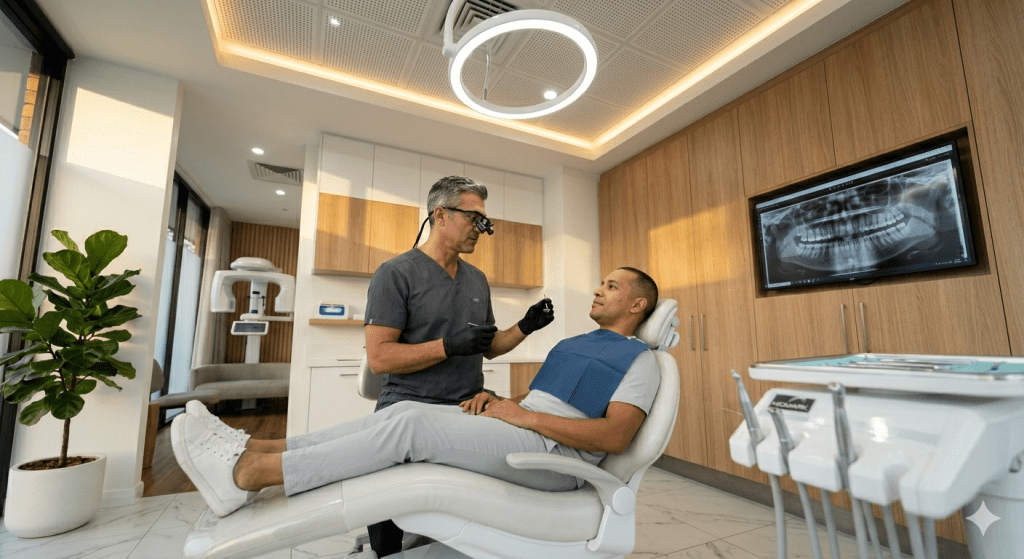
You can find affordable dental care in Louisville, KY without sacrificing quality by focusing on clinics that offer sliding-scale fees, payment plans, and preventive services that lower long-term costs. Look for community clinics, dental schools, and practices that prioritize transparent pricing and patient-centered options to stretch your budget and protect your smile.
This article guides you through common barriers like cost and fear, practical low-cost options, how to maximize insurance or alternative assistance, and what to expect at your first visit. It explains modern treatments that reduce future expenses and simple preventive steps you can use now to avoid costly procedures later.
Common Barriers to Dental Care
Many patients in Louisville face a mix of financial, logistical, and emotional obstacles that delay or prevent regular dental visits. These barriers often overlap, making it harder to find consistent, affordable care.
Cost Concerns and Insurance Challenges
High out-of-pocket costs drive many people to skip routine cleanings and needed treatments. Routine exams and cleanings at private practices often range from $80–$200, while fillings or root canals can run into several hundred or thousand dollars without insurance. Medicaid expansion in Kentucky covers some adult dental services, but coverage varies by county and often excludes restorative work. Many insurance plans carry deductibles, yearly maximums, and restricted provider networks that limit where patients can go without large co-pays.
Sliding-fee clinics and dental schools offer lower-cost options, typically 30–70% cheaper than private care. Patients should ask clinics about payment plans, in-house financing, and third-party medical credit companies. Transparent cost estimates and treatment breakdowns help families compare options and avoid surprise bills.
Transportation and Location Limitations
Access depends heavily on clinic location and public transit options in Louisville neighborhoods. Residents in West Louisville, Pleasure Ridge Park, or rural Jefferson County may face 30–60 minute commutes to clinics that accept their insurance. Limited bus routes and infrequent schedules create additional timing barriers for working patients and families with childcare obligations.
Mobile clinics and community health centers often provide periodic services at local community centers, churches, or schools. Patients should check clinic hours, bus routes, and parking availability before appointments. Tele-dentistry can handle consultations and treatment planning remotely, reducing the need for multiple in-person visits.
Dental Anxiety and Past Experiences
Fear of pain, negative past procedures, or embarrassment about dental conditions keeps many people from seeking care. Patients frequently report that a single traumatic experience in childhood leads to decades of avoidance. Anxiety can manifest as missed appointments, late presentations with advanced disease, or refusal of recommended procedures.
Modern offices address this with clear communication, gradual treatment pacing, topical anesthetics, sedation options, and behavior-focused approaches. Dentists who offer pre-visit tours, calm office environments, and written care plans help reduce fear. Encouraging a trusted companion to attend appointments and using relaxation techniques improves cooperation and outcomes.
Budget-Friendly Options for Dental Services
These options help people in Louisville access routine care, basic restorations, and urgent treatment without large out-of-pocket costs. They include income-based fees, nonprofit clinics, and supervised student care that balance affordability with safe, effective treatment.
Sliding Scale and Payment Plans
Sliding-scale programs adjust fees based on household income and family size, so patients pay a percentage of the usual charge. Clinics in Louisville and nearby counties often require proof of income (pay stubs, tax returns) and a brief application; reduced fees commonly range from 25% to 75% off standard rates.
Many private practices offer in-office payment plans that split costs into monthly installments with little or no interest. Some dentists partner with third-party financers (e.g., CareCredit) to provide 6–24 month promotional plans; patients should compare interest rates and any deferred-interest terms before signing.
Ask clinics whether sliding-scale applies only to certain services (cleanings, fillings) or to specialty care like root canals and crowns. Confirm if low-cost fees exclude lab fees or anesthesia, and request an itemized estimate to avoid surprise charges.
Community Dental Clinics
Community clinics provide low-cost preventive care and basic treatment funded by federal, state, and local grants. In Louisville, look for Federally Qualified Health Centers (FQHCs) and nonprofit dental centers that treat Medicaid, CHIP, and uninsured patients on reduced fees.
These clinics prioritize preventive visits, fluoride treatments, simple restorations, and extractions. Wait times can be longer for non-urgent care, so call ahead to confirm current scheduling, available services, and whether the clinic accepts walk-ins for dental emergencies.
Many community clinics offer case management to link patients with sliding-scale assistance or transportation help. Verify location, hours, and any patient eligibility rules online or by phone; bring ID, proof of income, and prior dental records if available.
Dental School Clinics
Dental school clinics offer low-cost care delivered by senior dental students under licensed faculty supervision. The University of Louisville School of Dentistry and regional dental programs typically charge significantly reduced rates for exams, cleanings, fillings, and many complex procedures.
Appointments often take longer because students work carefully while learning; multiple visits may be required for larger treatments. Patients receive thorough treatment plans and faculty oversight, which maintains quality while keeping prices low.
Prioritize dental school clinics for cost savings on crowns, root canals, and removable prosthetics, but confirm whether limited faculty availability affects specialty services. Call the school clinic to learn scheduling cycles, refund policies, and any grading-related treatment constraints before booking.
How to Maximize Dental Insurance Benefits
Smart use of insurance lowers out-of-pocket costs and speeds access to care. Readers will learn how to read a plan, prioritize preventive visits, and handle claims and exclusions.
Understanding Your Dental Coverage
They should start by reading the plan summary (Evidence of Coverage or Summary of Benefits). Focus on these line items: annual maximum, deductible, covered procedures (preventive, basic, major), waiting periods, and network providers. Note numeric limits: dollar maximums (e.g., $1,000/year), percent coverage (e.g., 100% preventive, 80% basic, 50% major), and separate deductibles for adults or families.
Verify whether the plan uses UCR (Usual, Customary, Reasonable) or negotiated fees, and ask the insurer how out-of-network claims get paid. Call the customer service number on the card to confirm benefits for specific codes (D0120, D1110, D2391, etc.) before scheduling major work. Keep a scanned copy of the benefit booklet and the explanation of benefits (EOB) for every visit.
Tips for Utilizing Preventive Services
They should schedule cleanings and exams at the recommended frequency—often every six months—to secure 100% coverage when plans allow. Use fluoride treatments, sealants for children, and routine x-rays during the same visit to maximize covered services with one deductible or no deductible.
Request preauthorization for any restorative or prosthetic work that may exceed simple fillings. Ask the dentist to submit a predetermination to the insurer with codes and an estimate; this clarifies patient responsibility before treatment starts. Use in-network providers to reduce costs, and check for bundled services (e.g., prophy + exam) that count as a single visit toward limits.
Filing Claims and Navigating Exclusions
They should confirm whether the dental office files claims electronically; if not, keep detailed receipts and coded invoices. When a claim is denied, review the EOB for denial reason—common ones include not covered, missing preauthorization, or frequency limits—and file an appeal within the insurer’s stated timeframe, usually 30–60 days.
Watch for common exclusions: cosmetic procedures (veneers for appearance), temporomandibular joint (TMJ) surgery without documented dysfunction, and certain orthodontic treatments for adults. If a needed procedure is excluded, ask the dentist for a letter of medical necessity and submit it with the appeal. Track claim numbers, representative names, and dates of calls in a simple table or log to streamline follow-ups.
Low-Cost Preventive Care Strategies
Effective low-cost prevention focuses on simple daily habits and affordable professional care that stop small problems before they become expensive treatments. Small investments—correct brushing, timely check-ups, and targeted fluoride use—deliver the biggest savings and preserve oral health.
At-Home Oral Hygiene Routines
They should brush twice daily with a soft-bristled toothbrush and fluoride toothpaste for two minutes each time. A timer or an electric toothbrush with a built-in timer helps ensure full coverage of all tooth surfaces.
Daily flossing or interdental cleaning removes plaque between teeth where brushes can’t reach. Dental picks, floss holders, or water flossers suit different dexterity needs and cost between $3–$60 depending on type.
Limit sugary snacks and acidic drinks; water and low-sugar snacks reduce decay risk. Rinsing with water after meals and chewing sugar-free gum with xylitol for 10–20 minutes can help neutralize acids and stimulate saliva.
Replace toothbrushes every 3 months or after illness to maintain effectiveness. Over-the-counter fluoride mouth rinses used several times per week can add protection; choose products with the ADA Seal when possible.
Early Detection and Regular Check-Ups
They should schedule dental check-ups every six months or as recommended by the dentist based on risk factors. Regular visits catch cavities, gum disease, and oral cancer early, lowering treatment cost and complexity.
Community clinics and dental schools offer low-cost exams and X-rays; patients can save by asking about sliding-scale fees or bundled preventive visits. Many clinics provide written care plans and cost estimates to avoid surprises.
Professional cleanings remove tartar build-up that home care can’t eliminate and typically cost less than restorative procedures. Dentists also apply topical fluoride or dental sealants when appropriate, which are inexpensive preventive measures with high long-term value.
If symptoms appear—bleeding gums, persistent sensitivity, or a new sore lasting more than two weeks—they should contact a provider promptly. Early appointments reduce the chance of emergency treatment and higher bills.
Patient-Centered Approaches for Affordability
Clinics focus on tailoring care to each patient’s needs while reducing unnecessary costs and making payments manageable. Practical strategies include treatment prioritization, use of durable yet cost-effective materials, and multiple payment paths that match household budgets.
Personalized Treatment Planning
Dentists assess medical history, oral health goals, and budget constraints to create a stepwise treatment plan. They prioritize urgent needs (pain, infection) first, then stage restorative or cosmetic work so patients pay over time rather than all at once.
Plans often include less-expensive alternatives that preserve function and aesthetics, such as composite fillings instead of crowns when clinically appropriate. Providers explain trade-offs clearly — lifespan, maintenance, and future upgrade options — so patients can make informed choices.
Care teams use written estimates and visual aids (intraoral photos, diagrams) to show progression and costs. They schedule preventive visits and minor repairs to avoid costly emergencies later, which lowers long-term out-of-pocket spending.
Flexible Financing Arrangements
Many Louisville practices offer multiple payment options to fit different cash flows. Typical choices include in-office payment plans with no interest for a set term, third-party healthcare lenders with deferred-interest offers, and split-payment solutions for larger cases.
Sliding-scale fees apply at community clinics based on household income and family size, often requiring simple documentation. Some offices accept Medicaid, CHIP, and most major private insurance; staff verify benefits and pre-authorize procedures to prevent surprise bills.
Clinics also bundle services for discounts (exam + cleaning + X-rays) and run membership or subscription plans that cover preventive care for a flat monthly or annual fee. Financial coordinators walk patients through options and set up manageable payment schedules.
Modern Treatment Options That Save Money
Modern techniques reduce chair time and future costs by preserving more tooth structure and avoiding repeated procedures. Predictable workflows and in-office technology also lower fees and speed recovery.
Minimally Invasive Procedures
Minimally invasive dentistry focuses on removing less healthy tooth tissue and using durable, conservative materials. Techniques such as air abrasion, silver diamine fluoride (SDF), and resin infiltration halt decay early without extensive drilling, which cuts procedure time and the need for future root canals or crowns. Patients with small to moderate cavities often avoid anesthesia or receive lighter sedation, lowering both risk and cost.
Dentists use high-strength composite resins and bonded restorations that strengthen remaining tooth structure. These materials bond directly to enamel and dentin, reducing the chance of leakage and secondary decay. Shorter appointments and fewer follow-ups translate to lower total out-of-pocket expenses for families.
Same-Day Restorations
Same-day restorations use CAD/CAM milling and intraoral scanners to design and fabricate crowns, onlays, and veneers during a single visit. Patients avoid temporary crowns and an additional appointment, cutting lab and chair-time costs. A single-visit crown typically requires one anesthesia episode and immediate fit verification, reducing the chance of complications that might otherwise incur extra charges.
Clinics offering same-day care often maintain in-house milling, which keeps prices competitive compared with lab-fabricated alternatives. For fractured or heavily filled teeth, a same-day ceramic onlay can restore function and aesthetics quickly, minimizing time off work and additional dental visits.
Resources and Assistance Programs
Local and state programs, nonprofit clinics, and sliding-scale services make dental care more accessible in Louisville. Eligibility, hours, and services vary, so contacting each program directly yields the most accurate information.
State and Local Assistance
Kentucky Medicaid (CHIP for children) covers many dental services for eligible residents; adults may have limited covered benefits depending on current state plans. Individuals should verify covered procedures, provider networks, and enrollment requirements via kynect.ky.gov or by calling the Kentucky Health Benefit Exchange.
The Jefferson County Public Health department funds oral health initiatives and referrals for low-income families. They can direct callers to community clinics and school-based dental programs that offer preventive care and basic restorative services.
The Kentucky Mission of Mercy and state-sponsored mobile clinics run periodic free dental events in Louisville. Sign-up often requires preregistration and proof of residency; check the Kentucky Dental Association calendar for upcoming dates.
Charitable Organizations
Local nonprofits like Louisville Metro United Way and Dare to Care coordinate community health resources and list dental assistance programs on their resource pages. They often provide case management to connect clients with low-cost providers and temporary financial aid.
Community clinics such as Family Health Centers and Volunteers in Medicine offer sliding-scale fees based on income and household size. These clinics typically provide cleanings, fillings, extractions, and referral networks for specialty work.
Charitable events run by dental schools or the Louisville Dental Society sometimes offer reduced-cost procedures performed by supervised students or volunteer dentists. Patients should ask about follow-up care, warranties, and payment options before accepting services.
What to Expect at Your First Visit
Patients will be greeted by the front desk and asked to complete a short registration form. Insurances, payment options, and any available discounts are reviewed so billing is clear from the start.
A dental hygienist or assistant will take a short health and dental history. This helps the team tailor care to medical conditions, medications, or anxiety concerns.
A clinical exam includes a visual check of teeth, gums, and oral tissues. The dentist may take X-rays to see areas not visible to the eye; this step is explained and consent is obtained first.
A professional cleaning often follows, removing plaque and polishing teeth. Patients feel more comfortable after cleaning, and the hygienist will point out good homecare habits and any problem areas.
The dentist will discuss findings in plain language, focusing on prevention and affordable options. If treatment is needed, they present choices, estimated costs, and timelines so patients can decide without pressure.
Common questions are welcomed throughout the visit. Staff often provide printed care instructions, payment plans, and contact details to make follow-up easy.
Bold points to remember:
- Bring ID and insurance card.
- List current medications.
- Arrive 10–15 minutes early for paperwork.
They are encouraged to call or schedule online for a friendly consultation or to ask about financial assistance.
Next Steps for Better Oral Health on a Budget
They should start by booking a low-cost or sliding-scale appointment at a local clinic to get a baseline exam and cleaning. Early evaluation often prevents more expensive treatments later.
Make a simple daily routine: brush twice with fluoride toothpaste and floss once a day. Small habits save money by reducing cavities and gum disease.
Use a community resource checklist to find savings: dental schools, nonprofit clinics, and state programs. Many offer quality care at reduced rates or payment plans.
Consider preventive add-ons that cost little but help a lot, such as a fluoridated mouthwash or dental sealants for children. These options can lower the chance of costly procedures.
Ask about treatment prioritization during visits so they can focus on urgent needs first. Dentists often recommend staged care to spread costs over time.
Keep a small emergency fund for dental needs or enroll in a dental discount plan if insurance isn’t available. Even modest monthly savings or a membership can reduce bills.
They should prepare questions before appointments: cost estimates, alternatives, and expected outcomes. Clear communication helps avoid surprises and makes budgeting easier.
Encourage them to call for a consultation to discuss affordable options and a personalized prevention plan tailored to comfort and finances.
Frequently Asked Questions
The answers below point to specific clinics, programs, and practical steps in Louisville for those seeking affordable care. Each entry gives where to go, what to expect, and how to prepare so readers can act quickly.
Where can I find low-cost dental clinics in Louisville that accept new patients?
Family Health Centers and Neighborhood Health Centers run community dental programs with sliding-scale fees based on income. Many accept new patients and offer preventive care, fillings, and extractions.
KentuckyOne Health and Norton Children’s Clinics sometimes host dental outreach events with reduced fees for adults and children. Call ahead to confirm eligibility and get current waiting times.
Louisville Dental Society’s referral line lists clinics that offer discounted rates or payment plans. Ask about new-patient specials and low-cost cleaning packages.
Do any dentists in Louisville accept Medicaid, and what services are usually covered?
Several community clinics and private practices in Louisville accept Kentucky Medicaid (KY Medicaid) for eligible adults and children. Coverage often includes exams, X-rays, cleanings for children, fillings, extractions, and some emergency services.
Adults on Medicaid may have more limited coverage than children, so verify covered procedures before treatment. Call the clinic’s billing office and provide your Medicaid ID to confirm benefits.
What should I do if I need an emergency dentist in Louisville but don’t have dental insurance?
Contact community clinics like Family Health Centers or local dental schools first; they often reserve slots for urgent care at reduced rates. Explain the emergency and ask about same-day availability.
If pain is severe, visit an ER for infection control and pain management, then follow up with a dental clinic for definitive care. Keep copies of X-rays and discharge notes to expedite dental treatment.
Many private practices offer emergency walk-in hours or short-term payment plans for uninsured patients. Ask about discounts for cash payments or sliding-scale fees.
Are there any 24-hour or after-hours dentists in Louisville for toothaches or broken teeth?
Few dental offices operate 24/7 in Louisville, but several provide after-hours or weekend emergency coverage. Call your regular dentist’s office for on-call instructions or check local emergency dental hotlines.
Urgent care centers and hospital emergency departments can handle severe dental trauma and infections outside regular hours. They stabilize the condition and refer patients to dentists for follow-up repair work.
Where can I get affordable dentures in Louisville, and how long does the process usually take?
Community dental clinics and some private labs in Louisville offer economical denture services, often starting with a consultation and impressions. Expect the entire process to take 4–8 weeks with 2–4 appointments for fittings and adjustments.
Dental schools or clinics with residency programs may provide lower-cost dentures under faculty supervision. Ask about immediate denture options if extractions and prosthetics must occur in the same visit.
Are there local programs or clinics in Louisville that help with free or reduced-cost implants or dentures?
Nonprofit programs and charitable clinics sometimes run limited grant-funded programs for dentures; implants are less commonly subsidized due to higher costs. Contact the Louisville Dental Society, United Way of Kentucky, and local free clinic coalitions for current charity care lists.
Dental schools and teaching clinics may offer reduced rates for implant consultations or hybrid solutions like implant-supported dentures at lower cost. Inquire about financial aid, sliding scales, and payment plans.