
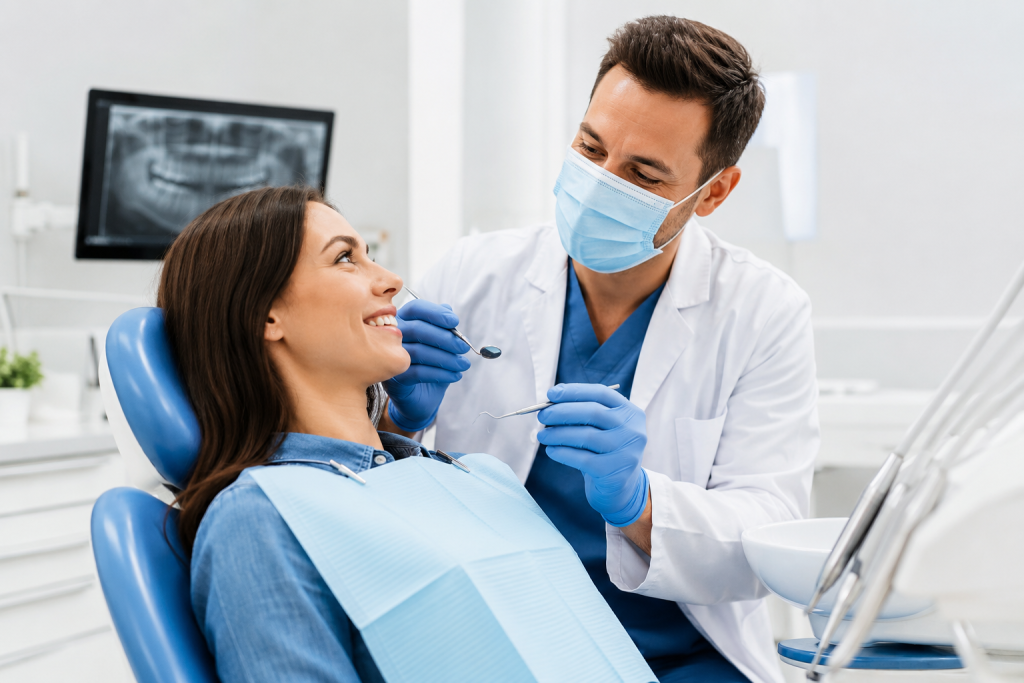
You’ll find that Invisalign in Louisville typically ranges from about $3,000 to $7,500, depending on how complex the case is and what the local practice includes in the package. If you want a clear estimate for your situation, expect most clinics to give a personalized cost after an initial exam and 3D scan, with payment plans and some insurance options commonly available.
They explain how Invisalign works, what drives price differences (treatment length, attachments, refinements), and how it compares with metal braces so you can weigh comfort, visibility, and long-term value. The post also covers insurance, payment plans, what happens at your consultation, and practical next steps for scheduling care in Louisville.
Understanding Invisalign and How It Works
Invisalign uses a series of custom, removable clear aligners to move teeth gradually. It combines 3D planning, periodic aligner changes, and dentist supervision to correct bite issues with fewer visible appliances than braces.
What Is Invisalign?
Invisalign is a tooth-straightening system made of smooth, BPA‑free thermoplastic called SmartTrack. A dentist or orthodontist scans the patient’s mouth, creates a digital treatment plan, and manufactures a sequence of aligners tailored to the prescribed tooth movements.
Each aligner set fits snugly and applies gentle pressure to specific teeth. Patients typically switch to a new set every 1–2 weeks. Aligners are nearly invisible and removable for eating and oral hygiene, which makes them popular with adults and teens who want discreet treatment.
Costs depend on case complexity, doctor experience, and local market rates. In Louisville, KY, prices vary widely, so patients should get a detailed estimate that lists the number of aligners, office visits, and any additional appliances or refinements.
How Invisalign Straightens Teeth
Invisalign relies on precise, staged tooth movements mapped in a digital plan called a ClinCheck. The plan shows each tooth’s starting position and final target; the aligners execute small movements—rotations, tipping, translation—typically 0.25–0.33 mm per stage.
Attachments (tooth-colored composite bumps) may be bonded to teeth to give aligners extra grip for complex movements. Interproximal reduction (IPR) — minor enamel shaving between teeth — can create space when crowding exists.
Progress requires wearing aligners 20–22 hours daily and attending periodic checkups, usually every 6–10 weeks. Noncompliance or missed appointments can extend treatment time and increase cost.
Who Makes a Good Candidate
A good candidate has mild to moderate crowding, spacing, or certain bite issues like mild overbite, underbite, or crossbite. Adults and teens with fully erupted permanent teeth typically do well with Invisalign.
Patients with severe skeletal discrepancies, very rotated teeth, or complex vertical problems may need traditional braces or combined approaches; a dental exam and X‑rays clarify suitability. Good candidates commit to wearing aligners as directed, maintain excellent oral hygiene, and attend follow-up visits.
Medical history, periodontal health, and habits such as bruxism influence candidacy and treatment planning. A consultation with a Louisville dentist will evaluate these factors and present realistic timelines and cost estimates.
What Influences the Price of Invisalign in Louisville
Several specific factors determine what a patient will pay for Invisalign in Louisville, including the dental complexity, how long treatment takes, and who provides care. These elements affect total cost, number of visits, and whether additional procedures are needed.
Complexity of the Dental Case
Complex tooth movements such as large rotations, significant crowding, or closing wide gaps increase planning time and require more specialized aligner staging. Patients needing bite correction (overbite, underbite, crossbite) often require attachments, interproximal reduction (IPR), or temporary anchorage, which raises fees.
Previous dental work matters. Crowns, bridges, or implants can limit movement and require custom strategies, adding lab and chair time. Skeletal discrepancies that might need orthognathic consultation will also increase cost and change the timeline.
A thorough initial assessment with digital scans and X-rays clarifies complexity. Detailed treatment planning up front reduces surprises and helps the patient understand expected costs tied to clinical needs.
Treatment Timeline and Number of Aligners
Longer treatment durations and higher weekly aligner counts directly raise the price. Invisalign pricing often correlates to the number of aligners: standard plans might cover 12–14 sets, while complex cases can need 30+ sets, each set representing material and lab work costs.
Refinements or mid-course corrections add additional aligners and appointments, which increase out-of-pocket expense. Missed aligner wear or poor compliance can extend the timeline and thus the total cost.
Financing options sometimes tie monthly payments to the planned number of aligners; shorter plans yield lower monthly payments and less total interest. Clear communication about expected aligner counts helps patients choose affordable, realistic plans.
Expertise and Reputation of Your Provider
Providers with advanced Invisalign certification or a high volume of cases often charge more for their experience and predictable results. An experienced specialist (orthodontist) typically commands higher fees than a general dentist, but may reduce the need for refinements due to more precise biomechanics.
Location and office overhead in different Louisville neighborhoods affect pricing. Practices that invest in 3D imaging, in-office clear aligner fabrication, or concierge follow-up services pass some costs to patients but often improve comfort and efficiency.
Patients should compare credentials, before-and-after cases, and included services (retainers, follow-ups, digital scans) when evaluating price. A slightly higher fee can reflect fewer complications and better long-term outcomes.
Comparing Invisalign with Traditional Braces
This section compares out-of-pocket cost, treatment experience, and daily life impact so readers can weigh price against comfort, appearance, and convenience when choosing an option in Louisville.
Differences in Cost and Value
Invisalign in Louisville typically ranges from $3,500 to $7,500, depending on case complexity and provider experience. Traditional metal braces usually cost between $2,500 and $6,000; ceramic braces run higher, often $3,500–$8,000. Insurance coverage varies—many plans cover a portion of both, but coverage limits, lifetime caps, and orthodontic benefits differ by policy.
Cost factors to check:
- Initial consult and diagnostic records
- Frequency of adjustments or aligner changes
- Need for attachments, IPR (tooth reduction), or refinements
- Retainers after treatment
Value considerations matter. Invisalign often reduces office visit time and offers clearer aesthetics, which some patients consider worth the premium. Traditional braces can achieve complex movements more predictably in certain cases and may require fewer mid-treatment refinement fees. Ask a Louisville provider for a written estimate detailing all phases and any potential extra charges.
Aesthetic Benefits
Invisalign aligners are clear, low-profile, and nearly invisible at conversational distance. That appeals to adults and teens who want a discreet option for work, photos, or school events. Aligners are removable for eating and special occasions, which helps maintain natural appearance without brackets and wires.
Traditional braces are visible and sometimes considered a style statement—metal brackets and colored elastics remain popular with teens. Ceramic braces offer a less noticeable bracket option, but they can stain and typically cost more. For patients prioritizing minimal visual impact, Invisalign usually offers the strongest aesthetic advantage, but the choice should reflect treatment goals and whether attachments or buttons will be used, as these can reduce invisibility.
Comfort and Lifestyle Considerations
Invisalign uses smooth plastic trays that reduce cheek and lip irritation compared with metal brackets and wires. Patients often report less soft-tissue soreness after initial placements, though aligner changes can produce short periods of pressure. Removability lets patients eat normally, brush and floss easily, and avoid food restrictions that come with fixed braces.
Braces require careful oral hygiene to prevent decalcification and staining around brackets. They can restrict sticky or hard foods and sometimes cause mucosal irritation from wires. However, braces do not rely on patient compliance for wear time, which can be crucial for successful outcomes in younger patients. For those with active lifestyles or who prefer no daily compliance decisions, braces may be more predictable. Visitors should discuss expected soreness, appliance care, and follow-up schedules with their Louisville orthodontist to match treatment to lifestyle.
Insurance Coverage and Payment Options
Many patients find predictable costs and flexible payment plans most helpful when considering Invisalign in Louisville, KY. Clear details about insurance allowances, monthly financing, and HSA use make treatment decisions easier.
Understanding Dental Insurance Benefits
Insurance often covers a portion of Invisalign, but coverage varies by plan and provider. Many employer or individual dental plans categorize clear aligners as orthodontic benefits; typical coverage ranges from $500 to $2,000 lifetime, or a percentage of orthodontic costs. Patients should request a pre-treatment benefits estimate from their dentist to see exact dollar amounts, deductibles, and any lifetime maximums that apply.
In-network dentists may process claims directly; out-of-network offices often submit claims on behalf of patients but reimbursement can differ. Patients should confirm whether prior authorization is required and whether coverage begins immediately or after a waiting period. Clear documentation of diagnosis and treatment plan speeds claim approval.
Flexible Financing Plans
Many Louisville practices offer zero- or low-interest monthly financing through third-party lenders and in-office payment packages. Typical plans allow down payments of $0–$1,000 with monthly payments from $99 to $299, depending on case complexity and term length. Patients with limited credit can often qualify for longer terms to reduce monthly cost.
Dentists commonly provide an itemized estimate that separates aligner fees, attachments, refinements, and retainers so patients know what financing covers. Patients should compare APR, total repayment, and penalties for late payments before signing. Some practices run promotional offers—seasonal discounts, reduced initial payments, or bundled packages—that can lower out-of-pocket expense.
Health Savings Accounts and Payment Flexibility
Patients can use Health Savings Accounts (HSAs) or Flexible Spending Accounts (FSAs) to pay for Invisalign, provided the treatment is deemed medically necessary for bite correction or oral health. HSA/FSA reimbursement rules vary; practices typically supply a detailed invoice, diagnosis code (ICD-10), and treatment code (CPT/ADA) that patients submit for reimbursement.
Using HSA/FSA funds reduces taxable cost, so patients should confirm fund availability and eligible expense rules with their plan administrator. When treatment spans plan years, splitting payments between accounts or coordinating with an employer’s plan can maximize tax-advantaged funds. Practices often accept combined payments (insurance + HSA + monthly plan) to simplify patient billing and reduce upfront cost.
What to Expect During Your Consultation
Patients will learn how the dentist assesses tooth alignment, oral health, and treatment options, then sees a tailored Invisalign plan with costs, timeline, and next steps. The visit combines a clinical exam, digital records, and a clear financial discussion.
Initial Smile Assessment
The clinician performs a focused oral exam to check tooth positions, bite relationships, gum health, and any restorations that could affect aligner fit. They inspect for cavities, periodontal issues, and tooth wear that might need treatment before orthodontics.
Digital imaging—usually a 3D intraoral scan or series of photos—captures precise tooth surfaces and occlusion. The scan replaces messy impressions for most patients and speeds up diagnosis and aligner fabrication.
Expect simple functional tests: the dentist will ask to bite, smile, and speak to observe how teeth meet and how aligners could change speech or comfort. They will note any extractions or attachments likely needed and explain why.
Custom Treatment Plan Formation
Using the scan and exam notes, the dentist maps tooth movements with treatment-planning software to create a step-by-step aligner sequence. This ClinCheck-style visualization shows projected final positions and estimated duration in weeks or months.
The dentist reviews the plan with the patient, pointing out expected movements, number of aligner sets, and when refinements might be necessary. They explain attachments, elastics, or acceleration options if indicated.
Cost, payment options, and insurance use appear in writing. The patient receives a clear timeline, estimated number of visits, and home-care instructions so they know responsibilities like wear time and cleaning.
Long-Term Value of a Straighter Smile
A straighter smile can affect confidence, chewing function, and long-term dental costs. It often reduces future restorative work and makes daily oral care simpler.
Benefits Beyond Appearance
They notice improved self-confidence in social and professional settings after completing Invisalign treatment. Aligners sit discreetly, so colleagues and friends often respond to subtle changes without dramatic reactions.
Clear aligners also make eating and speaking more comfortable for many patients. When teeth align, biting forces distribute evenly, which can lower the risk of chips or abnormal wear on specific teeth.
Financially, patients may save by avoiding premature crowns, veneers, or repairs caused by uneven forces. The upfront cost of Invisalign in Louisville can be offset over years by fewer emergency visits and less complex restorative work.
Oral Health Improvements
Straight teeth make brushing and flossing more effective because there are fewer tight overlaps and hidden crevices. Improved plaque control lowers risks for cavities and periodontal disease, which are common causes of tooth loss.
Orthodontic alignment can also reduce symptoms of jaw strain and certain types of headaches tied to malocclusion. Patients with crowded teeth report fewer food traps and less inflammation around gums after treatment.
Dentists often find cleanings and periodontal care easier and faster on well-aligned teeth, which can lower routine dental bills over time. Regular dental checkups during and after Invisalign help maintain those long-term health gains.
If they have questions about how Invisalign costs compare to long-term dental savings, encourage scheduling a consultation to get a personalized estimate and treatment plan.
Taking the Next Step Toward Invisalign
Patients ready to explore Invisalign in Louisville should start with a consult at a trusted local practice. A short exam and digital scan give the dentist a clear view of alignment needs and produce a personalized estimate.
They can expect a discussion of cost components: initial exam, scans, aligner sets, and any required attachments or refinements. Many offices offer payment plans, in-house financing, or accept FSA/HSA funds to make treatment more manageable.
Ask about insurance coverage and pre-authorization; some plans cover part of clear aligner treatment similar to traditional braces. Patients should bring insurance details and list of questions to their appointment to speed up the process.
Practical next steps include scheduling a consultation, reviewing the proposed timeline, and confirming out-of-pocket costs. Patients who value convenience can inquire about remote monitoring options and the frequency of in-office visits.
A clear question list helps: estimated total cost, expected treatment length, payment options, and what happens if refinements are needed. This keeps decisions practical and grounded.
To move forward, contact a local Louisville Invisalign provider to book a consult and request a cost breakdown. They can answer specific concerns and tailor a plan that fits the patient’s budget and smile goals.
Frequently Asked Questions
This section answers cost drivers, typical fee inclusions, insurance possibilities, self-pay options and payment plans, comparisons with braces, and differences between full and express clear aligner plans. It gives concrete price ranges and practical next steps for patients in Louisville.
What factors can affect the total price of clear aligner treatment in Louisville, and what’s typically included in the fee?
Severity of misalignment, treatment length, number of aligners, and any required adjunctive work (extractions, attachments, refinements) change the final price.
Most practices bundle initial exam, digital scans or impressions, the aligner sets, routine checkups, and final retainers into a single treatment fee.
Location within Louisville and provider experience also affect cost; specialists or high-demand clinics often charge more.
Optional items like tooth whitening, additional refinements, or accelerated aligner services may increase the total.
How much do clear aligners usually cost for adults, and how does case complexity change the final price?
Typical adult clear aligner costs in Louisville generally range from $2,500 to $6,500 for full treatment.
Mild cases commonly fall near the low end; moderate to complex bite corrections move toward the mid-to-high range.
Complex cases that require tooth movement in multiple planes, skeletal corrections, or surgical coordination can exceed typical ranges.
Providers may quote a preliminary estimate and adjust it after diagnostic records and a treatment plan review.
Will dental insurance help pay for clear aligners, and how can I confirm my benefits before starting?
Many dental plans cover orthodontic treatment partially, but coverage for clear aligners varies by policy and employer.
Patients should call their insurer, provide procedure codes (ask the clinic for codes), and confirm lifetime or annual maximums and any waiting periods.
The clinic’s billing staff can often verify benefits and submit preauthorization requests to estimate patient responsibility.
Obtaining written confirmation from the insurer avoids surprises at the start of treatment.
What should I expect to pay if I don’t have insurance, and are monthly payment plans commonly available?
Self-pay patients in Louisville typically pay the full treatment fee up front or use in-clinic financing; expect $2,500–$6,500 for full cases.
Many practices offer 6–36 month interest-free or low-interest payment plans, and third-party medical/dental lenders are also common.
Down payments often range from $0–$1,500 depending on the office and length of financing.
Patients should ask for an itemized estimate showing total cost, monthly payment, and any fees before signing.
How does the cost of clear aligners compare with traditional braces when you look at total treatment value?
Clear aligners and traditional braces have overlapping price ranges; braces often cost $3,000–$7,000 in Louisville for comprehensive care.
Aligners can be comparable or slightly less expensive for mild-to-moderate cases and may save on chair time for routine visits.
Braces may remain preferable and similarly priced for complex tooth movements or severe bite issues.
Value depends on treatment goals, aesthetics preference, expected compliance, and potential need for additional procedures.
What’s the difference in price between a full treatment plan and a shorter “express” option, and who might qualify?
Express or limited aligner plans typically cost $1,500–$3,000 and cover minor tooth movements or alignment concerns.
Full treatment plans for comprehensive bite and alignment correction generally run $2,500–$6,500 or more.
Candidates for express plans usually have mild crowding or spacing and want a shorter timeline; a diagnostic exam and scan determine eligibility.
Providers will recommend the option that balances expected outcome, cost, and treatment duration to meet patient goals.